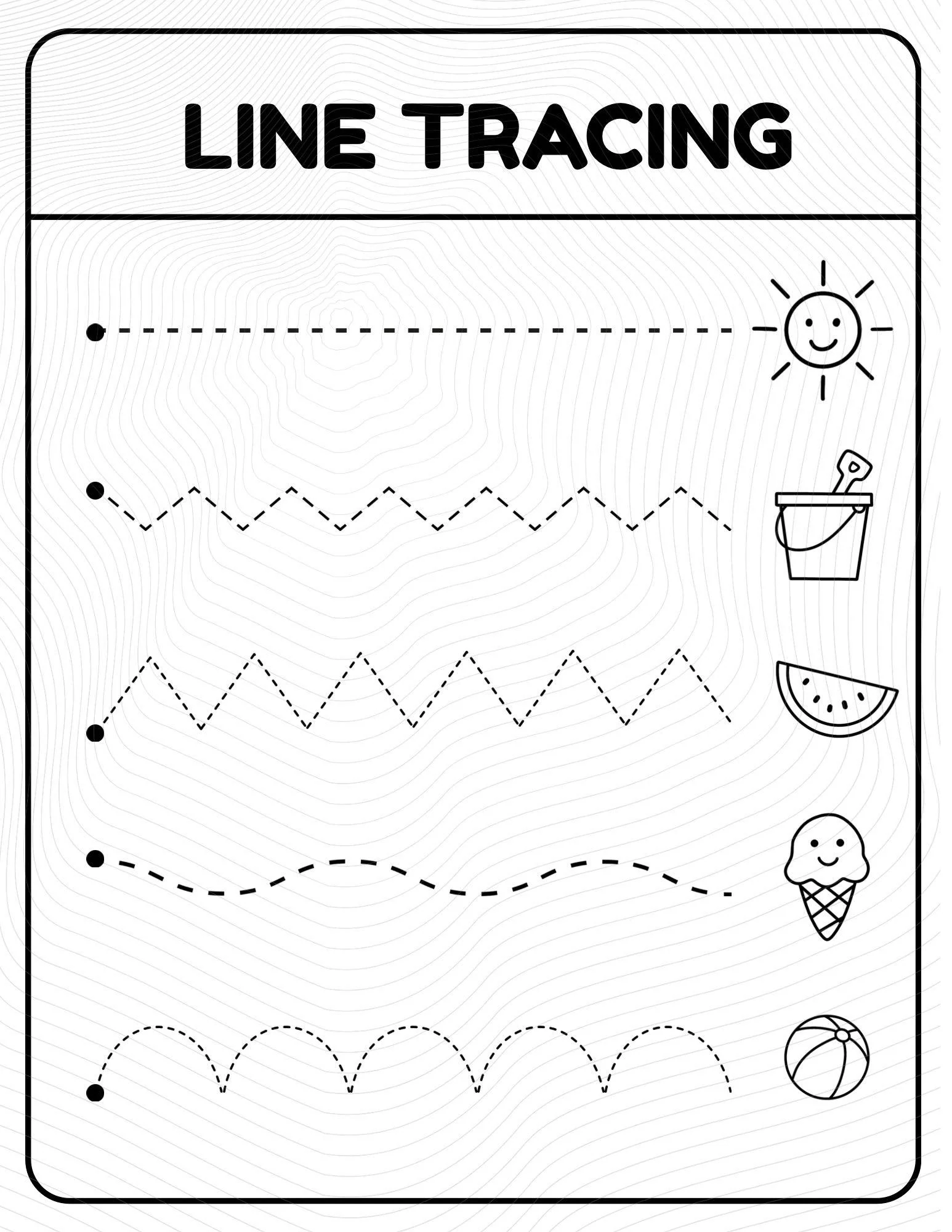
Tracing lines is an essential skill for young children, particularly those in kindergarten. It helps develop fine motor skills, hand-eye coordination, and prepares them for writing. Kindergarten worksheets tracing lines provide a fun and engaging way for children to practice these skills while enjoying their learning experience. In this article, we will explore the benefits of tracing lines, types of tracing line worksheets, and tips for parents and educators to enhance the learning process.
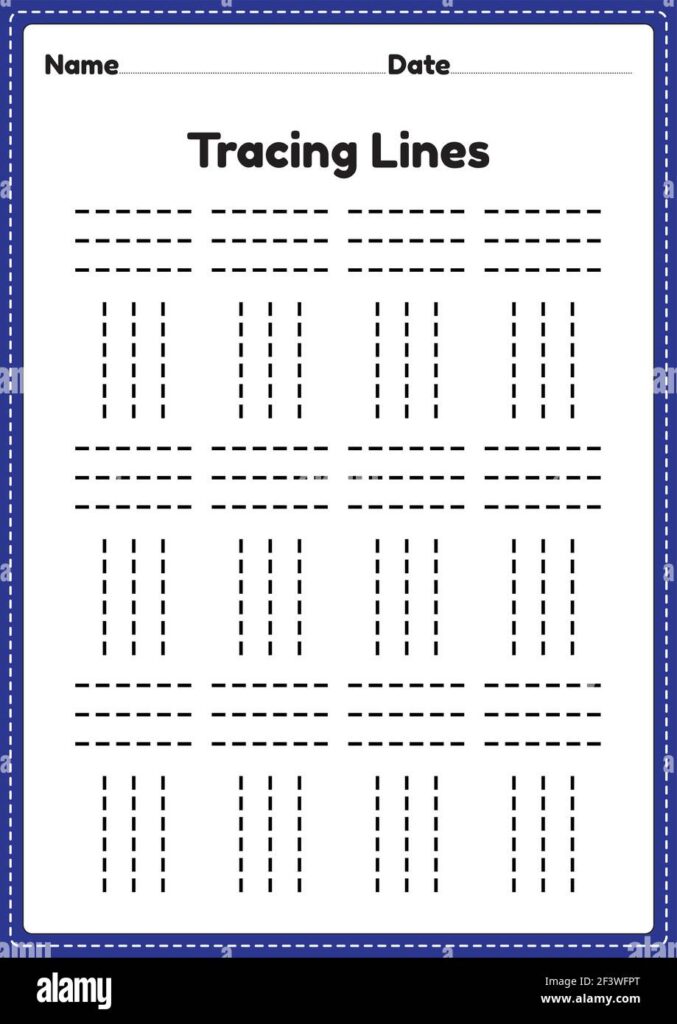
Kindergarten Worksheets Tracing Lines
Benefits of Tracing Lines for Kindergarteners
Tracing lines offers numerous benefits that contribute to a child’s overall development. Firstly, it enhances fine motor skills, which are crucial for tasks such as writing, drawing, and even using scissors. As children trace different types of lines, they strengthen the small muscles in their hands and fingers, making them more adept at handling writing instruments.
Secondly, tracing lines helps improve hand-eye coordination. This skill is vital for various activities in a child’s life, from sports to everyday tasks. By focusing on following the lines accurately, children learn to synchronize their hand movements with visual cues, laying the groundwork for future learning experiences.
Types of Kindergarten Worksheets Tracing Lines
There are various types of tracing line worksheets available for kindergarteners. Straight line worksheets focus on simple horizontal and vertical lines, allowing children to practice basic movements. These worksheets are ideal for beginners as they build confidence and familiarity with writing tools.
Cursive and curved line worksheets introduce more complexity by incorporating curves and loops. These types of worksheets prepare children for writing letters and numbers by helping them understand the fluidity of motion required in cursive writing. Additionally, themed worksheets featuring animals or objects can make tracing more enjoyable and relatable for young learners.
Tips for Using Tracing Line Worksheets Effectively
To maximize the benefits of tracing line worksheets, parents and educators should create a supportive environment. Encourage children to use various writing tools such as crayons, markers, or pencils to keep their interest high. Allowing them to choose their preferred tool can make the activity feel more like play than work.
Furthermore, providing positive reinforcement is crucial. Celebrate their efforts and progress to boost their confidence. Incorporating tracing activities into daily routines can also help reinforce these skills consistently, making learning both effective and enjoyable.
Download Kindergarten Worksheets Tracing Lines
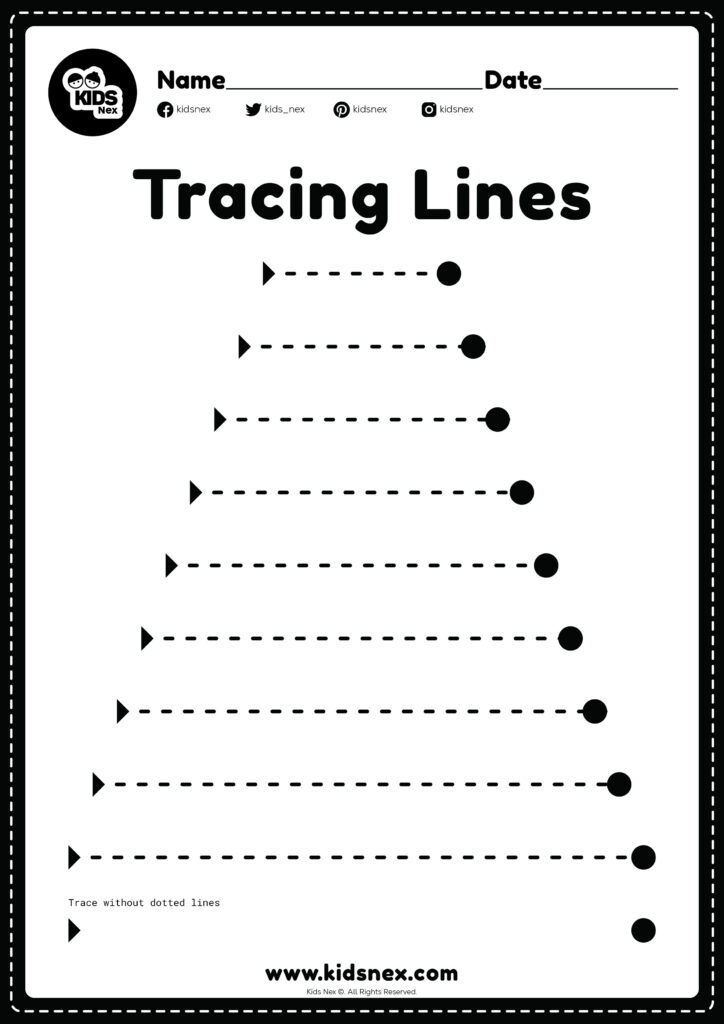
Tracing Lines Worksheet
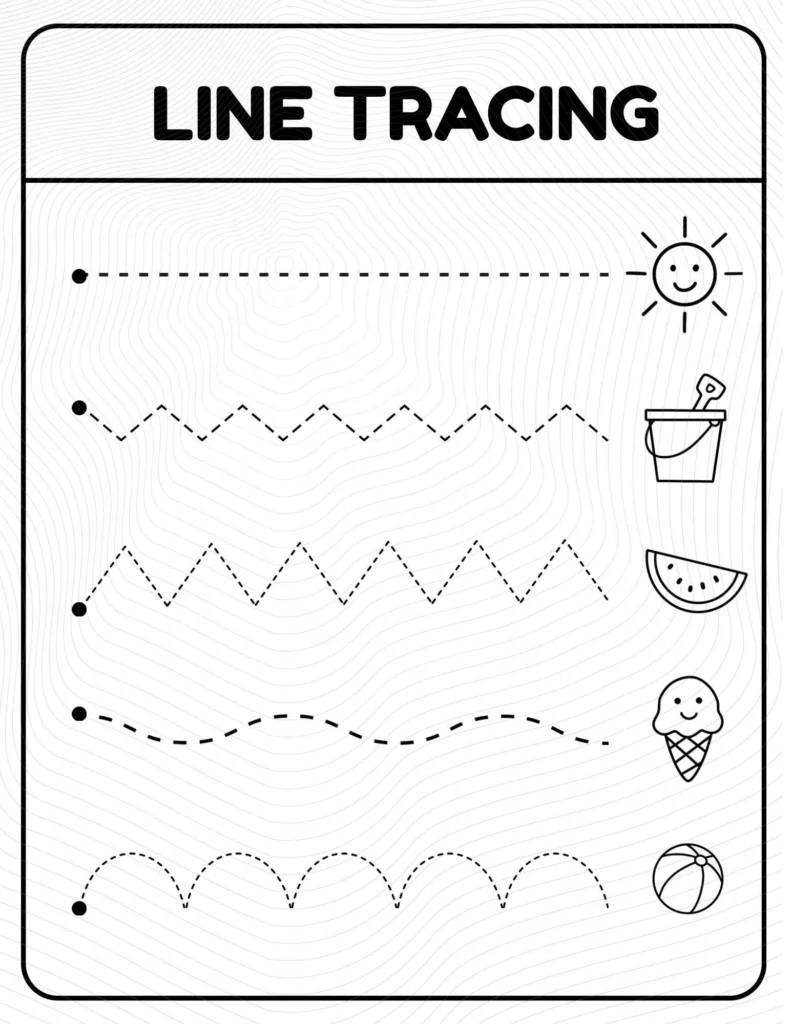
Printable Summer Line Tracing Preschool